Selecting a fence style that suits your home's architecture is important. Learn how to choose the ideal fence for your Delaware County residence.
Share:
Summary:
Firstly, before settling on a fence, gaining a clear understanding of your home’s architectural style is beneficial. Does your residence exemplify a traditional Colonial, a detailed Victorian, a sturdy Craftsman, a straightforward Ranch, or perhaps a sleek modern construction? Each architectural form possesses distinct features, and your fence should ideally echo these qualities. For instance, a Colonial home often looks best with classic wooden picket fences or simple board fences constructed from traditional fence materials. Conversely, a modern home might be accentuated by streamlined metal fence designs or horizontal wood planking. A Victorian house could call for more ornate metalwork, perhaps replicating some of the home’s trim details. Craftsman homes often look grounded with substantial wood posts and natural fence materials like cedar. By coordinating your fence selection with your home’s inherent style, you foster a unified appearance that truly complements your property’s character in Delaware County. Think about the lines, shapes, and overall massing of your home when considering fence options.
Secondly, picking suitable fence materials is a foundational step in matching your home’s architecture. Wood, vinyl, aluminum, steel, and composite fence materials each present different visual and practical characteristics. Wood, such as cedar or pressure-treated pine, offers a natural aesthetic and is adaptable for many fence designs, though it requires periodic staining or sealing. Vinyl fence materials, typically PVC, are recognized for requiring little upkeep and resisting weather damage. Metal fences, like aluminum which resists rust or sturdy steel, contribute an element of sophistication and strength, making them excellent choices for security fencing. Composite fence materials, often made from a blend of wood fibers and recycled plastic, mimic wood’s appearance with less maintenance. Chain link remains a practical option, especially for large areas or where budget is a primary factor, available in galvanized or vinyl-coated finishes. Consider the local climate’s impact on different fence materials and the level of maintenance you are prepared to undertake. The quality and specific type of fence materials selected will influence longevity and appearance.
Secondly, picking suitable fence materials is a foundational step in matching your home’s architecture. Wood, vinyl, aluminum, steel, and composite fence materials each present different visual and practical characteristics. Wood, such as cedar or pressure-treated pine, offers a natural aesthetic and is adaptable for many fence designs, though it requires periodic staining or sealing. Vinyl fence materials, typically PVC, are recognized for requiring little upkeep and resisting weather damage. Metal fences, like aluminum which resists rust or sturdy steel, contribute an element of sophistication and strength, making them excellent choices for security fencing. Composite fence materials, often made from a blend of wood fibers and recycled plastic, mimic wood’s appearance with less maintenance. Chain link remains a practical option, especially for large areas or where budget is a primary factor, available in galvanized or vinyl-coated finishes. Consider the local climate’s impact on different fence materials and the level of maintenance you are prepared to undertake. The quality and specific type of fence materials selected will influence longevity and appearance.
Want live answers?
Connect with a V. Serrano's Landscaping expert for fast, friendly support.
Next, let’s address security fencing. Effective property fencing is fundamental for safeguarding your home while preserving its visual appeal. In Delaware County, where homes vary from suburban lots requiring neighborly definition to more spread-out properties needing robust boundaries, selecting appropriate security fencing is significant. Options such as tall, closely spaced aluminum or steel fences, or solid, sturdy wooden fence designs can supply the needed deterrence without clashing with your home’s style. When prioritizing security, look for features like imposing height (check local codes first), minimal handholds, and reinforced gates with dependable locking mechanisms. The installation method itself contributes to security fencing effectiveness; posts should be set deeply in concrete for maximum stability. Consider fence materials known for strength, such as heavy-gauge steel panels or thick-gauge aluminum, or solid hardwood panels. Your property fencing defines your space and contributes to your sense of security at home.
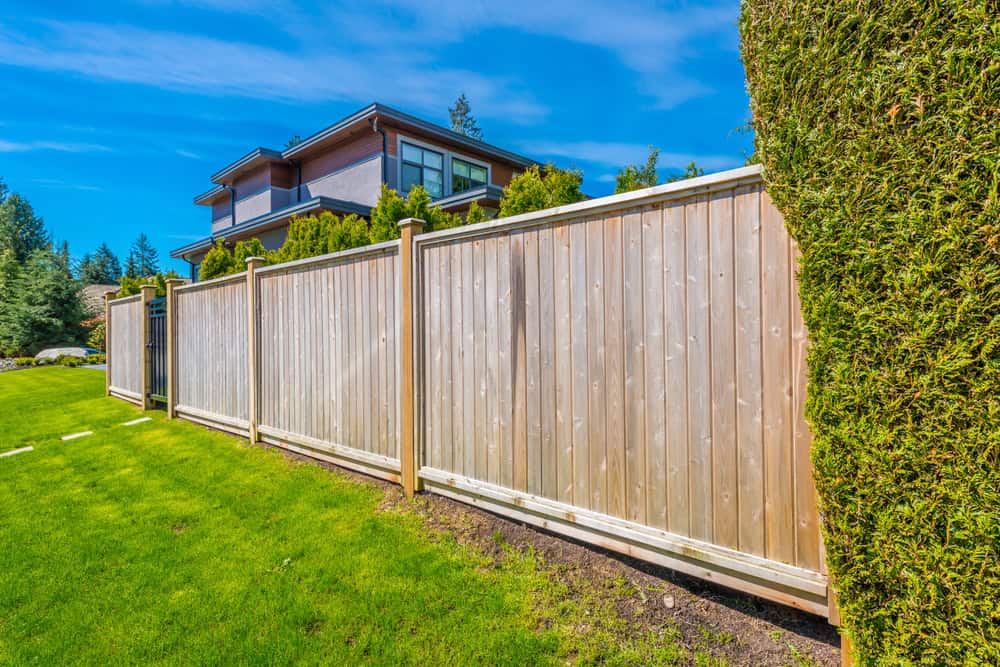
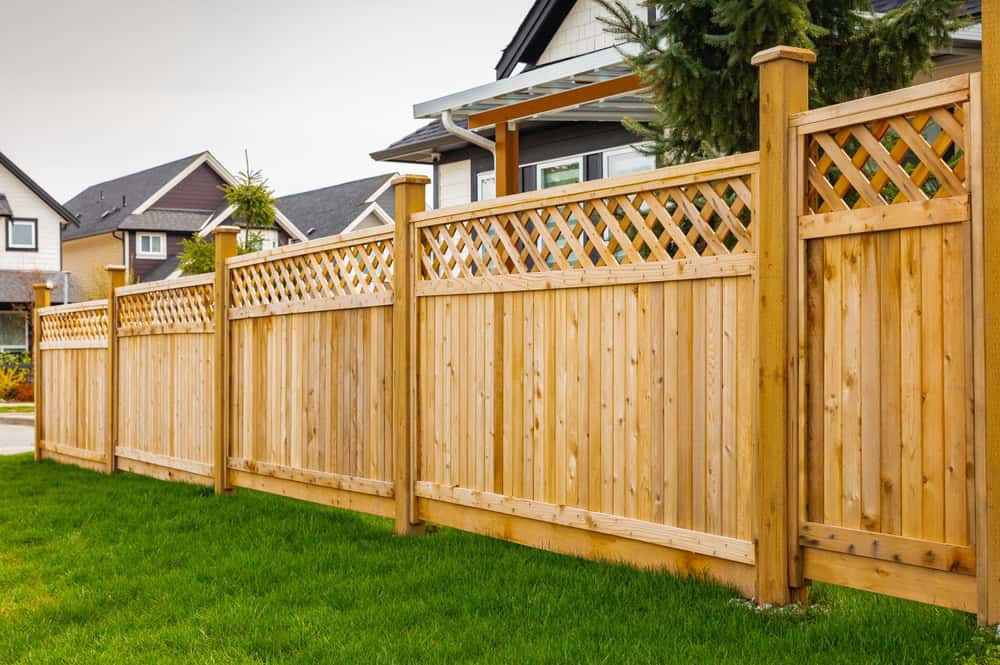
Achieving a balance between seclusion and visual appeal is a frequent objective for homeowners installing a fence. For maximum privacy in a backyard setting, consider solid panel fence designs. Wood privacy fences often use tongue-and-groove cedar or pressure-treated pine boards, fitted tightly together to block sightlines. Another technique is board-on-board construction, where vertical boards overlap, creating a solid barrier. Vinyl fence materials are excellent for privacy, with interlocking panels forming a continuous, gap-free surface that requires minimal upkeep. These vinyl panels come in various colors and sometimes textures mimicking wood grain. For semi-privacy, a shadowbox fence design uses alternating boards on either side of the fence rails, allowing airflow while partially obscuring the view. Specific fence materials like bamboo panels can offer a distinct, natural look for privacy screens integrated into a fence design. For front yard fences, where total privacy is less common, aluminum fences define boundaries elegantly without blocking views, using powder-coated finishes for durability. The choice of fence posts also matters; sturdy 4×4 or 6×6 pressure-treated posts anchor wood fences, while decorative aluminum posts complement metal fence designs. Combining fence materials, like wood panels within a metal frame, can create a unique look.
Moreover, before starting fence installation , it’s wise to investigate local municipal regulations and any homeowners association (HOA) guidelines applicable in your part of Delaware County. Towns and boroughs often have rules dictating maximum fence height (which can differ for front and back yards), required setback distances from property lines, and sometimes even permissible fence materials or styles. Understanding these requirements beforehand helps avoid issues later. HOAs frequently have their own specific standards regarding fence design, color, and approved fence materials, often requiring plan submission before work begins. Taking the time to confirm these details makes sure your new property fencing investment aligns with community expectations and legal requirements. This step helps prevent potential future disagreements or the need for costly modifications.
In summary, selecting the ideal fence style requires careful thought about your home’s specific architecture, the functional requirements like privacy or security, the characteristics of various fence materials, and adherence to local rules. Firstly, identify your home’s style. Secondly, explore the wide range of fence materials available, weighing appearance against maintenance needs. Thirdly, choose a fence design that meets your practical needs for your backyard fence or front yard fence. Finally, always verify local regulations. By carefully considering these aspects, you can choose property fencing that not only serves its purpose but also significantly adds to your home’s character and perceived value for years to come. If you’re prepared to improve your outdoor area with thoughtfully chosen fencing, Contact Us at V Serranos Landscaping LLC for knowledgeable advice and installation support. Allow us to assist you in finding the perfect fence solution personalized to your Delaware County residence.
Article details:
Share:
Continue learning: